From the dimly lit bedrooms of gamers to the grand concert halls of the world, a remarkable cultural migration is underway. The once niche appreciation for video game music has blossomed into a full-fledged, global performance phenomenon. The live orchestral performance of game soundtracks, or Original Soundtracks (OSTs), is no longer a novelty but a robust and rapidly expanding sector of the entertainment industry, connecting generations of fans through a powerful, shared auditory experience.
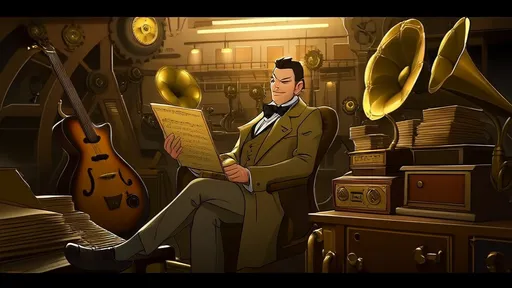
The journey began not in a symphony hall, but in the arcades and living rooms of the 1980s and 1990s. Composers like Koji Kondo (Super Mario Bros., The Legend of Zelda) and Nobuo Uematsu (Final Fantasy) were crafting iconic melodies within severe technological constraints. These 8-bit and 16-bit themes, though simple, were incredibly memorable. They were designed to be looped endlessly, etching themselves into the minds of players. For decades, this music existed primarily within the context of the game itself, a functional component of the interactive experience. The idea of performing these electronic bleeps and bloops with a full, hundred-piece orchestra was, for a long time, a distant dream shared by fans.
The turning point can be traced to concerts like PLAY! A Video Game Symphony in the early 2000s, but it was the Distant Worlds: music from FINAL FANTASY tour that truly demonstrated the commercial viability and artistic merit of the concept. Launched in 2007, Distant Worlds presented Nobuo Uematsu’s compositions with the grandeur they always deserved. It proved that there was a massive, dedicated, and willing audience ready to pay for a ticket to relive their gaming adventures through a purely musical lens. This success opened the floodgates. Soon, franchises like The Legend of Zelda with its Symphony of the Goddesses, World of Warcraft, The Elder Scrolls, and Kingdom Hearts all launched their own acclaimed international concert tours.
The appeal of these concerts is multifaceted and powerful. For the audience, it is an intensely nostalgic and emotional experience. The music is inextricably linked to pivotal moments in their virtual lives—the triumph of a final boss battle, the sorrow of a character’s death, the wonder of exploring a new world. Hearing these themes performed live by a world-class orchestra and choir triggers a profound sensory recall, transporting them back to those moments with overwhelming clarity. It is a celebration of community; the concert hall becomes a church for gamers, a place where a shared passion is validated and elevated to high art. The roar of applause that greets the first few notes of a beloved theme is a testament to this deep, collective connection.
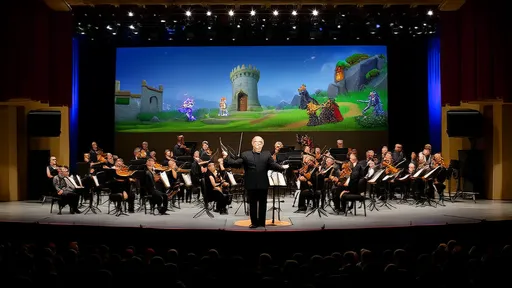
From a production standpoint, these events are monumental undertakings. They are far more than a simple symphony performance. They are multimedia spectacles. Giant screens synchronize curated gameplay footage, cinematic cutscenes, and artistic visuals to the live music, creating a holistic narrative experience. The conductor must not only lead the orchestra with musical precision but also ensure perfect synchronization with the visual elements rolling on screen, often following a click track. It’s a unique blend of classical performance and modern technical production. Furthermore, the curation of the setlist is a delicate art, requiring a balance between iconic, crowd-pleasing themes and deeper cuts that reward dedicated fans, all while creating a satisfying emotional arc for the entire evening.
The economic ecosystem surrounding this industry is significant. Beyond ticket sales, which can command premium prices, there is a thriving market for merchandise—exclusive posters, vinyl records of the soundtracks, program books, and apparel. For game publishers and developers, these concerts are a powerful form of brand reinforcement, keeping franchises relevant and engaging fans between game releases. It also provides a new and lucrative revenue stream for composers, many of whom have found a second wave of celebrated success seeing their work adapted for the stage. Orchestras and venues, often grappling with the challenge of attracting younger audiences, have found a golden ticket, selling out halls with crowds that are notably more diverse in age than at a traditional classical concert.
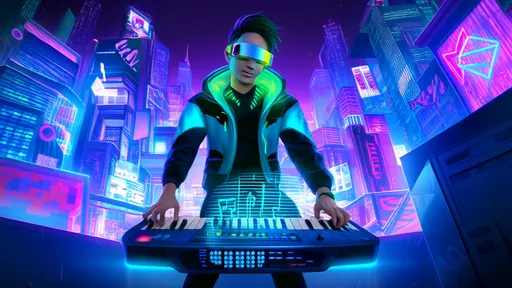
Looking ahead, the future of the live game OST industry is bright and poised for further evolution. We are already seeing concerts dedicated to the music of specific iconic composers, much like a film music series might focus on John Williams or Hans Zimmer. The repertoire is also expanding beyond the orchestral. Concerts featuring chiptune music, performed live with original hardware or modern replicas, cater to a purist’s nostalgia for the authentic sounds of the past. Furthermore, as the artistic quality and cultural impact of games continue to rise, the music is being composed from the outset with live performance in mind. Composers are creating scores that are not only functional within the game but are also conceived as standalone orchestral works, ensuring the pipeline of material for future concerts remains rich and exciting.
The transition of game music from the background of a digital pastime to the forefront of a live performance stage is a testament to its artistic power and cultural staying power. These concerts have done more than just entertain; they have legitimized video game music as a serious art form worthy of scholarly analysis and concert-hall reverence. They have built a bridge between the often-misunderstood world of gaming and the established world of classical music, creating a new, hybrid space for celebration. In the end, these performances are a powerful reminder that the stories we live in games and the emotions they make us feel are real, and their music is the unforgettable soundtrack to our own epic journeys.

By /Aug 26, 2025
By /Aug 26, 2025
By /Aug 26, 2025
By /Aug 26, 2025
By /Aug 26, 2025
By /Aug 26, 2025
By /Aug 26, 2025
By /Aug 26, 2025
By /Aug 26, 2025
By /Aug 26, 2025
By /Aug 26, 2025

By /Aug 26, 2025
By /Aug 26, 2025
By /Aug 26, 2025
By /Aug 26, 2025
By /Aug 26, 2025
By /Aug 26, 2025
By /Aug 26, 2025
By /Aug 26, 2025
By /Aug 26, 2025
